How Plastic Bank Is tackling pollution and supporting local communities across the world
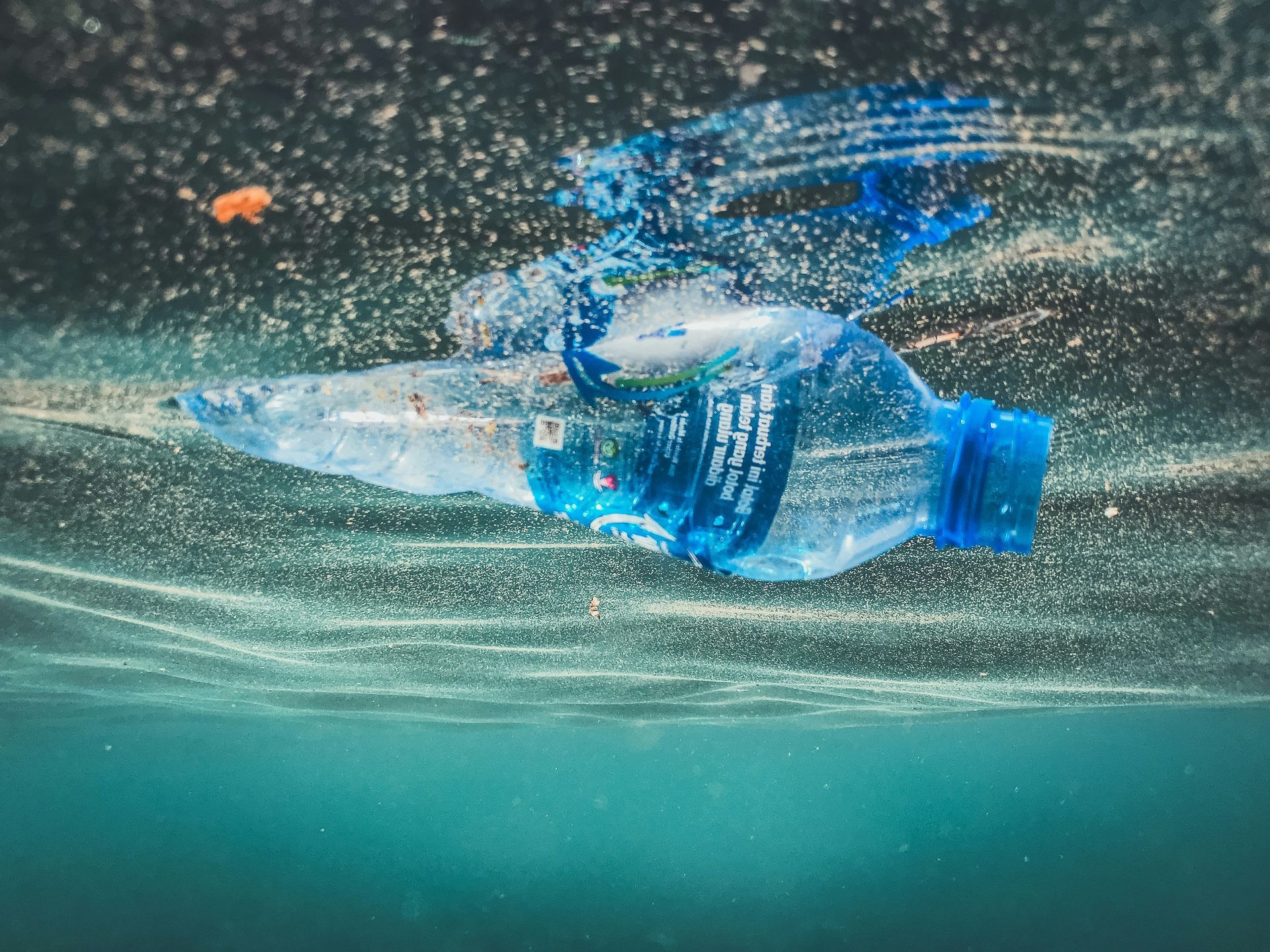
Plastic pollution is one of the world's most pressing environmental challenges. Millions of tonnes of plastic waste enter the environment every year, often ending up in rivers, coastlines and oceans. However, tackling the problem involves more than simply collecting discarded plastic. It also means addressing the economic challenges faced by the communities most affected by pollution.
This is the idea behind Plastic Bank, one of Yule Travel's primary partners. By turning discarded plastic into a source of income, the organisation is helping tackle pollution while creating economic opportunities for people in vulnerable communities.
Since launching in 2013, Plastic Bank has built a global network of collectors, local collection branches and recycling partners. Its approach demonstrates how environmental action can also support livelihoods, improve access to essential services and create lasting benefits for local communities.
Turning plastic waste into economic opportunity
Plastic Bank was founded with a straightforward idea: make discarded plastic valuable enough that people have an incentive to collect it rather than leave it in the environment.
The organisation works in communities where plastic pollution and poverty often overlap, particularly along vulnerable coastlines. Rather than relying solely on traditional clean-up campaigns, it creates opportunities for people to earn additional income by collecting and exchanging discarded plastic.
The process is relatively simple. Registered collectors gather plastic from streets, beaches and waterways before taking it to their nearest collection branch. The plastic is weighed and exchanged for payment straight away, with additional bonuses and social benefits available.
Plastic Bank also works with local entrepreneurs who operate collection branches, helping establish the infrastructure needed to make recycling more accessible.
Once collected, the plastic is sent to processing partners, where it is recycled into raw materials that can be used in new products and packaging. This helps reduce demand for virgin plastic while supporting a more circular approach to waste management.
Every exchange is recorded through Plastic Bank's blockchain-secured platform, providing full transparency throughout the collection process with some very impressive numbers...
The numbers behind Plastic Bank's global impact
Since 2013, Plastic Bank has achieved significant results through its network of collection communities.
The organisation has facilitated the exchange of more than 10.6 billion plastic bottle equivalents, involving 83,438 collectors and resulting in 212.4 million kilograms of plastic collected.
These figures represent more than environmental progress. Each collection creates an opportunity for someone to earn additional income while helping keep their local environment cleaner.
The scale of this work becomes even clearer when looking at individual countries.

Plastic Bank's impact around the world
Indonesia has one of Plastic Bank's largest collection networks, with 39,919 collectors and 342 branches. Its published figures show that 4.8 billion bottle equivalents have been funded, alongside more than 96.5 million kilograms of plastic gathered.
In the Philippines, 34,351 collectors have helped gather more than 47 million kilograms of plastic through a network of 445 active branches and communities. The country has also recorded 2.3 billion funded bottle equivalents.
Elsewhere, Plastic Bank has established collection networks in several other countries:
- Egypt: 1.6 billion bottle equivalents funded, supported by 2,795 collectors and 16 branches.
- Thailand: 1 billion bottle equivalents funded, involving 928 collectors and 37 branches.
- Brazil: 529.4 million bottle equivalents funded, with 4,783 collectors and 25 branches.
These figures demonstrate how Plastic Bank operates across different countries, bringing together local communities and recycling infrastructure to tackle a shared environmental challenge.
Supporting communities beyond plastic collection
Plastic Bank's work extends beyond the money collectors receive for exchanging plastic. Its wider mission is to tackle poverty alongside plastic pollution, helping people access opportunities and essential services.
Its 2025 results provide a good example of this wider impact.
During the year, more than 27,600 collectors recovered 28.2 million kilograms of plastic across six countries. This was equivalent to approximately 1.4 billion plastic bottles.
Alongside these environmental results, Plastic Bank reported several community initiatives:
- Education: 164 schools received collection facilities and recycling education.
- Food and nutrition: 1,277 people received food and nutrition support.
- Health and safety: 1,540 beneficiaries received support through health and safety programmes.
- Vision care: 1,000 people received vision care support.
- Employment and equipment: 115 community members received tools and trade kits to support their work.
These initiatives show how plastic collection can create benefits beyond waste management. By supporting education, health and everyday essentials, Plastic Bank aims to help communities build more secure futures.
The people behind the numbers
Behind every collection figure is an individual with their own reasons for getting involved.
Elizabeth, a 68-year-old collector from Baseco in Manila, Philippines, is one example of how the initiative can make a difference.
Alongside her work as a street sweeper, Elizabeth collects discarded plastic from her neighbourhood. Having witnessed the effects of pollution and flooding in her community, she is passionate about encouraging people to dispose of their waste responsibly.
Through collecting and exchanging plastic, she earns additional income to support her family. Her earnings and support from Plastic Bank have helped her purchase food for her grandchildren, while a tablet has helped her grandson with his schoolwork.
Stories like Elizabeth's demonstrate the importance of recognising the people behind environmental initiatives. Collectors are not simply helping remove plastic from their surroundings; they are actively contributing to their communities while creating opportunities for themselves and their families.
Seeing the impact first-hand
Transparency is an important part of Plastic Bank's approach. While statistics provide an indication of its progress, understanding how the system works on the ground offers another perspective.
This is where its ecosystem visits come in.
Plastic Bank organises hosted visits to communities where its collection network operates. Visitors have the opportunity to meet collectors and local team members, learn about their experiences and see how the collection process works.
These visits provide a first-hand look at how discarded plastic is gathered, exchanged and processed, offering a better understanding of the people and infrastructure behind the global figures. You can sign up for updates on their upcoming ecosystem visits here.
They also create an opportunity for conversations with the communities involved, helping visitors understand the challenges they face and the difference that additional income and local recycling facilities can make.
Rather than relying solely on corporate promises or sustainability statements, these experiences allow people to see the work taking place within the communities themselves.
Making a difference through everyday choices
Plastic Bank demonstrates how environmental and social challenges can be addressed together. By giving discarded plastic an economic value, it has created a system that encourages collection, supports local livelihoods and helps prevent waste from entering the environment.
Its results, from billions of bottle equivalents exchanged to the thousands of people benefiting from community programmes, show how this approach can operate on a global scale.
For Yule Travel, working with organisations such as Plastic Bank reflects the belief that business can contribute to something beyond its everyday operations. Travel connects people with destinations and communities around the world, and supporting initiatives that create positive change is one way of helping ensure those communities benefit too.
Ultimately, making a difference does not always require a grand gesture. Sometimes, it starts with recognising the value in something others have discarded and creating an opportunity for people to build a better future from it.
Recent Posts